

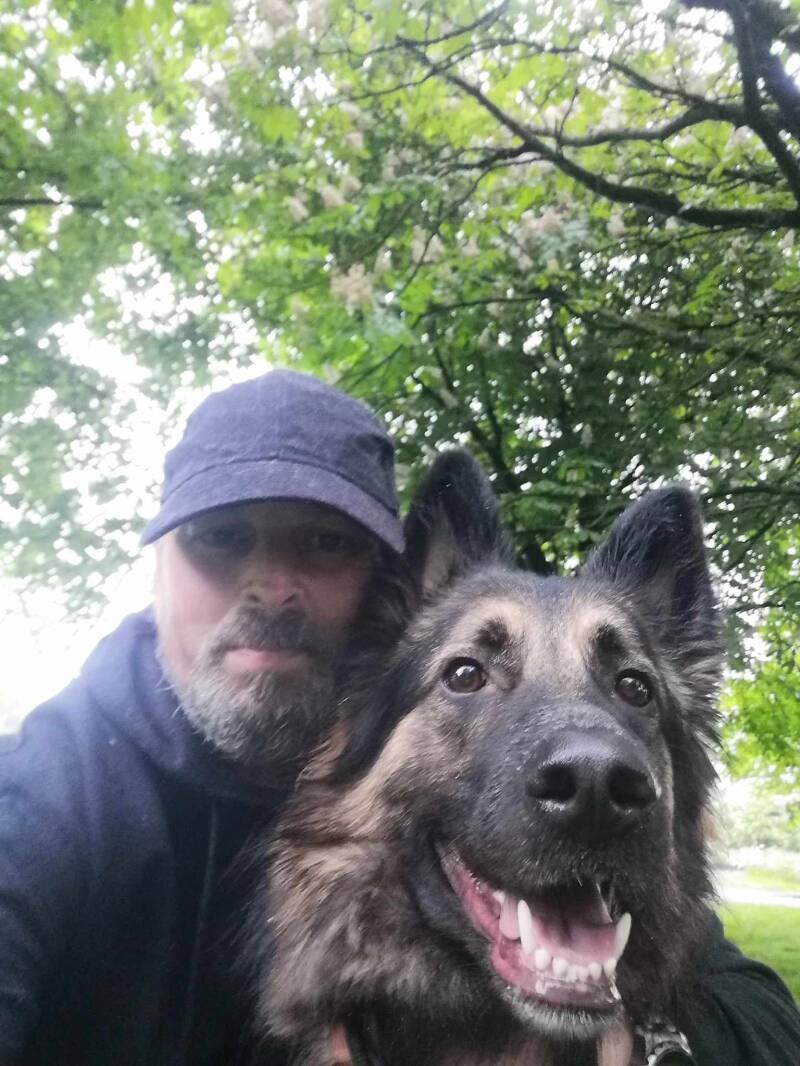
If you had asked me years ago what my life would look like, I would have said football would always be at the centre of it.
Like so many people, I grew up with a ball at my feet. Football gave me purpose, friendships, discipline, and an identity. I played the game I loved, later managed teams, and even started a veterans football team because I wanted to help others continue enjoying everything that sport brings. The changing room, the banter, the shared victories and disappointments, and the feeling of belonging became part of who I was.
But life has a way of changing the game.
When my involvement in football began to fade, I struggled more than I ever expected. I lost a part of my identity. Looking back, I realise I was far from alone. Many athletes, whether professional or grassroots, experience the same feelings when the final whistle blows on their sporting journey.
Years later, I was diagnosed with bipolar disorder. It helped explain so much of what I had been experiencing, but it also marked the beginning of a new challenge. There were days when getting out of bed felt impossible. Days when I questioned my self worth and wondered where my purpose had gone. Mental health can be incredibly lonely, and too many people suffer in silence because they are afraid of being judged or believe nobody will understand.
Through those darkest times, one thing never changed: the incredible love and support of my family. They stood by me when I struggled to see a way forward. They believed in me when I found it difficult to believe in myself. Their patience, encouragement, and unconditional love became the foundation that helped me keep going, one step at a time. I honestly do not know where I would be without them, and I will always be grateful for everything they have done for me.
Alongside my family, the support of friends, colleagues, and professionals helped me realise one of the most important lessons of my life.
Talking helps.
Asking for help is not a sign of weakness. It is a sign of courage, and it can change lives.
As I rebuilt my own life, I began thinking about the thousands of people leaving sport every year. Some are elite athletes whose careers end overnight. Others are grassroots players whose weekends suddenly become empty. Many quietly lose their routine, their friendships, their confidence, and their sense of belonging.
That is why I founded The Second Half Trust.
The Trust has been built from lived experience. It exists to remind people that life does not end when sport does. There is another chapter waiting to be written.
Our mission is simple. We want to create a supportive community where people feel able to talk openly about their mental health, reconnect with others, and discover a renewed sense of purpose. Through sport, shared experiences, events, education, and honest conversations, we want to show that nobody has to face life's challenges alone.
This is not just about raising awareness. It is about creating hope.
I still have difficult days. Recovery is not a straight line, and life continues to bring challenges. But I have learned that even in the toughest moments, there is always another opportunity to move forward.
The Second Half Trust is my way of giving something back. If sharing my story helps just one person realise they are not alone, then it has been worth it.
To my family, thank you. Your love carried me through the hardest chapters of my life, and this charity would not exist without you.
Whether you are a former athlete, someone struggling with your mental health, or simply someone who wants to support our mission, thank you for being here.
Your first half has shaped you.
Your second half is still yours to write.
Add comment
Comments